Disclaimer: This website provides health information for educational purposes only and is not a substitute for professional medical advice, diagnosis, or treatment. Always seek the guidance of a qualified healthcare provider with any questions you may have.
When considering hiring a personal trainer, it’s essential to ask the right questions to ensure they align with your fitness goals. This article outlines three critical questions that can assist you in making an informed decision. Engaging with a personal trainer can be a transformative experience, significantly impacting your physical health and personal well-being. Therefore, understanding their approach and methods is crucial to achieving desired outcomes. By focusing on these key aspects, you can tailor your fitness journey to suit your individual needs and optimize your results.
1. What is your training philosophy and style?
The first question to pose is regarding the trainer’s philosophy and style, which dictate how they conduct training sessions and interact with clients. Philosophies can range significantly—while some trainers focus on high-intensity intervals, others might emphasize endurance or flexibility training. Understanding their core beliefs about fitness can help you determine if their approach matches your personal preferences and goals. For instance, if your aim is weight loss, a trainer focusing on cardio and resistance may align well with your expectations. Conversely, if you’re seeking muscle gain, it’s advantageous to find someone who integrates strength training and nutrition advice into their programs.
Digging deeper into their training style can reveal methods they use, such as circuit training, free weights, or machines, and provide insight into session structure. A transparent discussion about their style prevents mismatched expectations and ensures a more productive trainer-client relationship. Some trainers may adopt a motivational style, setting strict goals and timeframes, while others might prefer a supportive, client-driven approach. By exploring their style, you better understand whether their sessions will be energetic and fast-paced or more relaxed and methodical. This question ultimately sets the stage for aligning your workout environment with personal comfort and motivation needs.
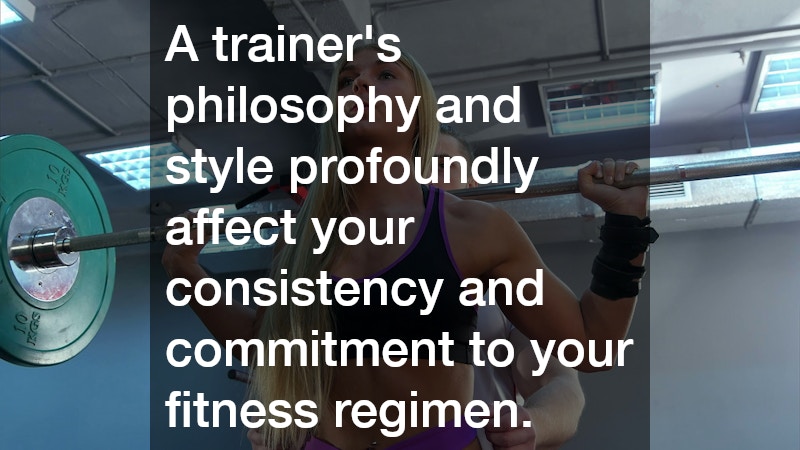
A trainer’s philosophy and style profoundly affect your consistency and commitment to your fitness regimen. When their philosophy aligns with your personal values and needs, it increases your motivation to sustain long-term fitness practices. This compatibility encourages a partnership that can exceed a mere transactional relationship, fostering a bond that supports your fitness journey. Personal trainers do more than guide exercises; they create personalized environments that empower clients to achieve their fitness aspirations. Thus, choosing a trainer with a compatible philosophy and style is instrumental in achieving your health and fitness goals.
2. How do you tailor workout plans to individual needs?
Another crucial question focuses on how trainers customize workout plans, ensuring they align with individual goals and abilities. Personalized workout plans should accommodate your current fitness level, preferences, and any physical limitations. This customization process typically begins with an initial consultation or assessment, where the trainer evaluates your health history, fitness level, and objectives. For example, if you have a previous injury, a trainer should be adept at formulating modifications to exercises that ensure safety while still promoting strength and endurance. Such adaptability in workout planning is indicative of a skilled and knowledgeable trainer.
Moreover, effective trainers continually reassess your progress, adapting routines to maintain challenge and promote growth. As you advance, trainers often implement periodization techniques, varying intensity and volume over time to optimize performance and prevent plateaus. This ongoing evaluation enhances the personalization of training programs, keeping them aligned with evolving fitness goals. It is also crucial for maintaining engagement; when workouts remain dynamic and varied, adherence to the fitness program improves significantly. Therefore, understanding a trainer’s approach to customization is essential for achieving and maintaining progress in your fitness journey.
3. What qualifications and experience do you have?
The third crucial question involves understanding a trainer’s qualifications and professional experience. Certifications from recognized institutions, such as NASM, ACE, or ACSM, are foundational indicators of a trainer’s knowledge and adherence to industry standards. These credentials ensure trainers possess essential skills in exercise programming, safety protocols, and the physiological aspects of fitness. In addition to certifications, seeking trainers with continued education or specialized certifications can be advantageous for targeted needs, such as sports conditioning or rehabilitation. Likewise, experience, both in terms of years and clientele variety, provides practical insight into their adaptability and problem-solving capabilities within real-world settings.
Clarifying qualifications fosters confidence in your trainer’s capability to guide you through your fitness journey safely and effectively. Prior experience in varied fitness environments, such as gyms, studios, or clinics, often enriches a trainer’s skill set, offering broader perspectives to handle diverse client needs. Trainers with a rich tapestry of experiences can adapt techniques according to individual requirements and unexpected challenges. Furthermore, a trainer with a proven record of client success, evidenced by testimonials or references, provides assurance of their competency and reliability. In asking about qualifications and experience, you’re not merely verifying credentials, but securing a partnership steeped in trust and expertise.
By asking these key questions, you can find a personal trainer who matches your fitness needs and preferences, leading to a more effective and enjoyable training experience. The recruitment of a personal trainer is a pivotal decision on your journey to better health, one that demands thoroughness and clarity. Understanding a trainer’s philosophy, customization techniques, and qualifications ensures that you entrust your fitness aspirations to a competent and compatible professional. Such an informed selection process not only maximizes results but also enriches your personal commitment to health. Armed with these questions, you are well-equipped to embark on a successful and fulfilling fitness adventure.