Disclaimer: This website provides health information for educational purposes only and is not a substitute for professional medical advice, diagnosis, or treatment. Always seek the guidance of a qualified healthcare provider with any questions you may have.
Home health care represents a broad range of health care services that can be provided in a patient’s home. It is an alternative to hospital or nursing facility care and has become increasingly important in the modern healthcare landscape. Home health care not only allows individuals to maintain a sense of independence but also fosters a more comfortable healing environment. This form of care encompasses various services such as physical therapy, occupational therapy, speech therapy, and medical social services.
Home health care is especially beneficial for those managing chronic illnesses or recovering from surgery, as it can be tailored to meet the specific needs of each patient.
The growth of home health care has been fueled by the aging population and advances in technology that allow for sophisticated medical care to be delivered at home. With more people living longer and preferring to stay in their own homes, the demand for home-based services has increased significantly. The industry has invested in training skilled healthcare professionals who can provide patient-centered care in various specialties right at home. Additionally, these services can often be more affordable than long-term facility care, offering a cost-effective solution for families. Improved patient outcomes, improved quality of life, and reduced hospital admissions are some of the notable benefits of home health care.
Moreover, home health care services often include assistance with daily activities such as bathing, dressing, and meal preparation. For many patients, home health workers are not just caregivers but also sources of emotional support and companionship. This type of care gives families peace of mind, knowing their loved ones are receiving the tailored care they need in a supportive environment. Furthermore, family caregivers are often actively involved, working alongside professional care teams to support the patient’s health and well-being. Thus, home health care promotes a collaborative effort that revolves around the patient’s best interests.
Technological Advancements in Home Health Care
The evolution of technology has significantly bolstered the effectiveness and reach of home health care services. With the advent of telehealth and remote monitoring systems, patients can now receive medical evaluations and consultations without leaving their homes. These technological solutions have proven invaluable, especially during times when physical interaction is limited. Patients can track their health data, communicate with their healthcare providers, and receive real-time feedback, which facilitates timely interventions. As a result, technology has bridged gaps in care coordination and fostered a more responsive healthcare delivery model in home-based settings.
Incorporating technology into home health care goes beyond communication; it also enhances the quality of care provided. Advanced medical devices and equipment, such as portable oxygen concentrators and wearable health monitors, allow patients to manage their conditions more effectively. These innovations enable healthcare providers to collect accurate health metrics, leading to better decision-making processes. Remote monitoring of vital signs, such as heart rate, blood pressure, and glucose levels, allows clinicians to detect potential health issues early. Consequently, technology has paved the way for more proactive health management, reducing the need for emergency interventions.
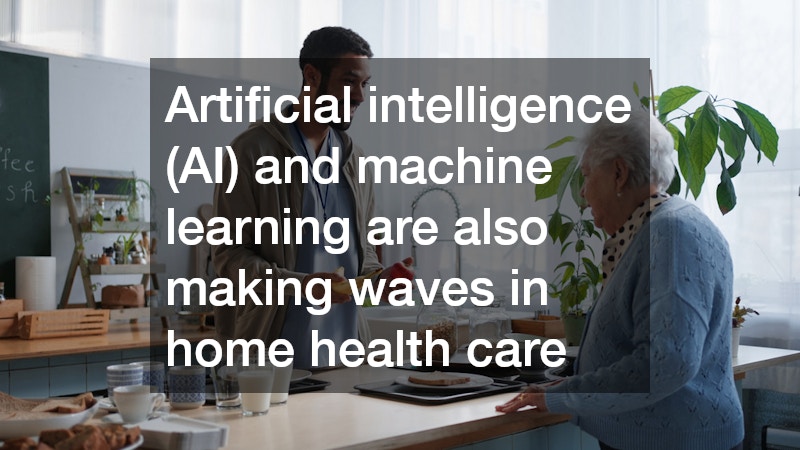
Artificial intelligence (AI) and machine learning are also making waves in home health care. Predictive analytics tools, powered by AI, can analyze vast amounts of patient data to predict outcomes and recommend personalized treatment plans. This empowers healthcare providers to deliver targeted interventions and avoid potential complications. Furthermore, virtual reality (VR) is being utilized in therapies to enhance rehabilitation processes, improve patient engagement, and address psychological needs. As technological innovations continue to advance, the potential for home health care to transform patient experiences and outcomes will only grow, paving the way for a promising future.
The Role of Caregivers in Home Health Care
Caregivers play a crucial role in the success and sustainability of home health care services. Their responsibilities range from providing medical care and assistance with daily living activities to offering emotional support and companionship. Becoming a caregiver requires a combination of skill, empathy, and resilience, as they often navigate the challenges of caring for individuals with diverse medical needs. Caregivers work closely with patients and their families to develop personalized care plans that align with medical recommendations and patient preferences. Their presence in the home helps maintain a safe and supportive environment, crucial for effective healing and well-being.
Training and ongoing education are vital components for caregivers in home health care settings. Many caregivers participate in specialized programs to enhance their clinical and interpersonal skills, allowing them to provide quality care tailored to specific conditions. This training ensures caregivers remain up-to-date with the latest healthcare practices and technologies. Additionally, caregivers collaborate with healthcare teams to monitor patient progress, adjust care plans, and provide necessary interventions. Through continuing education and professional development opportunities, caregivers are empowered to deliver compassionate and competent care, ultimately benefiting both the patient and the healthcare system.
Caregivers also serve as the communication bridge between patients, families, and healthcare providers in the home health care framework. They document patient conditions, changes, and concerns, ensuring accurate and comprehensive information is relayed to the healthcare team. This communication fosters effective multi-disciplinary collaboration, enabling seamless integration of services to enhance patient outcomes. Furthermore, caregivers provide valuable insights into patient needs and preferences, contributing to developing holistic care plans. Their dedication and advocacy for patient rights and well-being are cornerstone attributes that sustain the home health care industry and exemplify its patient-centered values.