Disclaimer: This website provides health information for educational purposes only and is not a substitute for professional medical advice, diagnosis, or treatment. Always seek the guidance of a qualified healthcare provider with any questions you may have.
Physical Fitness Improvement Through Karate Classes
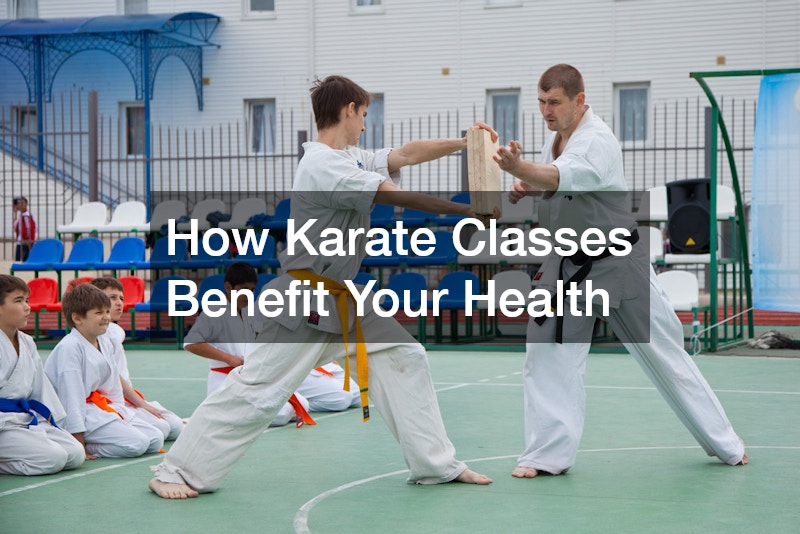
Karate classes offer an engaging way to improve overall physical fitness. Participants often experience enhanced cardiovascular health as they work through various routines and training exercises. Karate is unique in its ability to provide a full-body workout that targets different muscle groups.
The practice of karate involves a combination of aerobic and anaerobic exercises, which help build endurance and strength. Regular participation in karate classes can lead to improvements in muscle tone and flexibility. Additionally, the diverse range of movements ensures that practitioners develop better coordination and balance.
Energy levels often see a noticeable uptick with consistent practice, which positively affects daily life activities. In karate classes, the constant movement and high-paced drills help burn calories effectively. This physical exertion contributes to weight management and overall health improvement.
Mental Health Benefits of Karate
Beyond physical fitness, karate classes provide substantial mental health benefits. The discipline required in karate encourages mental clarity and focus, helping practitioners to manage stress better. This mindfulness practice can lead to improved mental health and emotional stability.
Practicing karate promotes self-discipline and perseverance, important traits that extend beyond the dojo. Karate encourages setting and achieving personal goals, which boosts self-esteem and confidence. As a result, individuals often find that their self-efficacy and mood improve significantly over time.
Moreover, karate classes foster a sense of community and belonging, which can alleviate symptoms of anxiety and depression. The supportive environment helps individuals express themselves freely and build strong interpersonal skills. Through group activities and paired sparring, participants can form meaningful connections with fellow practitioners.
Stress Reduction and Relaxation Techniques in Karate
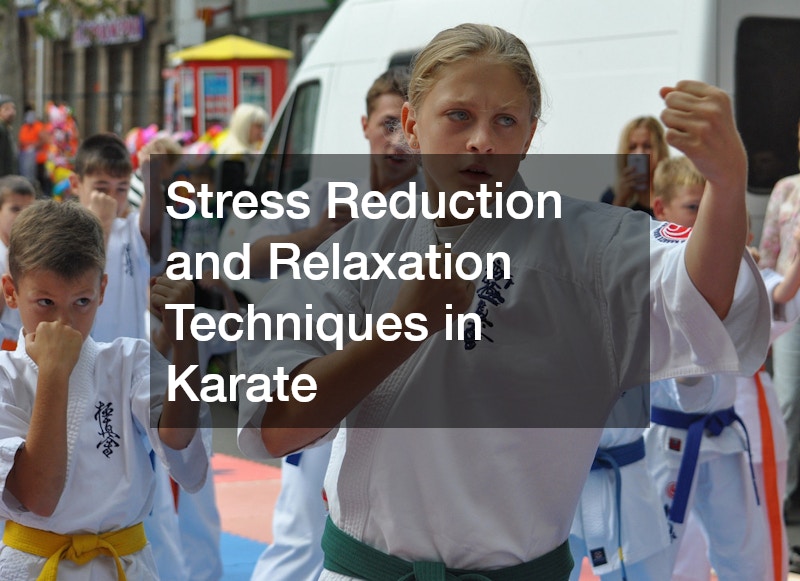
Karate classes incorporate techniques that are effective in reducing stress and promoting relaxation. Breathing exercises and meditation are integral parts of karate philosophy, aiding in achieving a calm state of mind. These practices help individuals cope with everyday challenges by fostering resilience and mindfulness.
The physical activity involved in karate releases endorphins, which are natural stress relievers. Endorphins contribute to a sense of well-being and relaxation, enhancing one’s ability to handle stress. Karate’s structured environment allows individuals to focus on technique and discipline, diverting their minds from life’s pressures.
Practitioners often report feelings of tranquility and satisfaction after engaging in karate exercises. The meditative elements of kata practice offer a unique opportunity to unwind and center oneself. This holistic approach to stress reduction makes karate a valuable practice for maintaining mental and emotional health.
Building Confidence and Self-Esteem with Karate
Confidence and self-esteem are key psychological benefits gained from attending karate classes. As students achieve new belt rankings and master new techniques, they gain a sense of accomplishment and pride. This feeling of achievement translates into greater self-assurance in life outside the dojo.
The karate community provides a supportive environment where individuals can safely push their boundaries. Positive reinforcement from instructors and peers helps cultivate a strong belief in one’s abilities. This nurturing atmosphere is conducive to personal growth and confidence-building.
Additionally, karate teaches practical self-defense skills, empowering students with a sense of security and self-reliance. Knowing how to defend oneself instills courage and reduces fear in potentially threatening situations. This increased sense of security further boosts an individual’s self-esteem and assertiveness.